
SwiftNet WiFi makes the most sense for camping when campground WiFi is weak but cellular coverage is still usable. If you only need maps and messages, start small. If your RV park stay includes laptop work, streaming, school calls or several devices, compare 5G Diamond before pretending a shared campground network will carry the whole trip.
We may earn a commission when you buy through our links. See our Affiliate Disclosure.
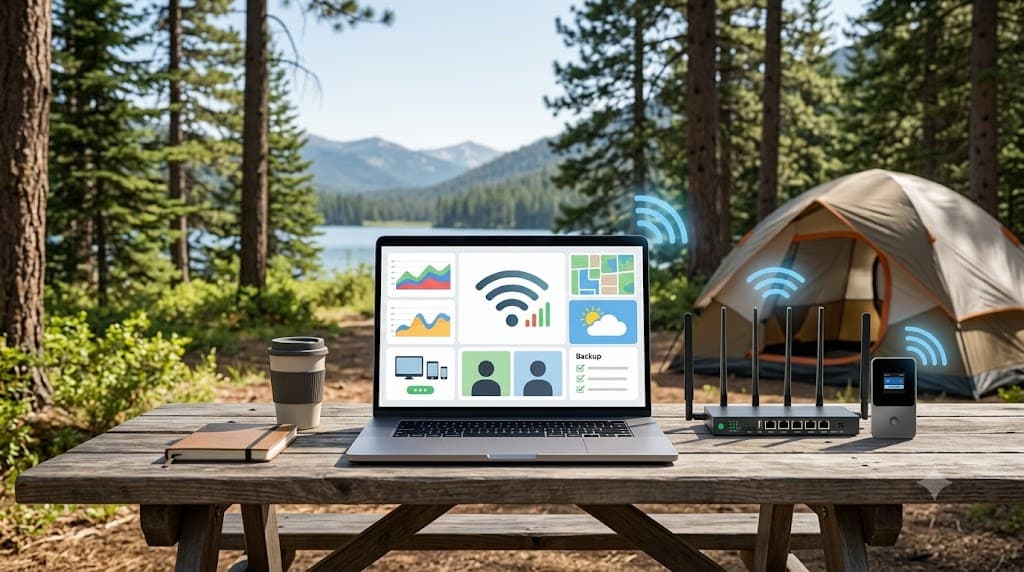
Choose 4G Bronze for light camping backup. Choose 5G Diamond for longer RV park stays.
The useful question is not “what is the best camping WiFi?” It is “what breaks first where you camp?” If the issue is shared campground WiFi, a dedicated SwiftNet setup can help. If the issue is no usable cellular signal, buying another cellular device is just decorating the problem.
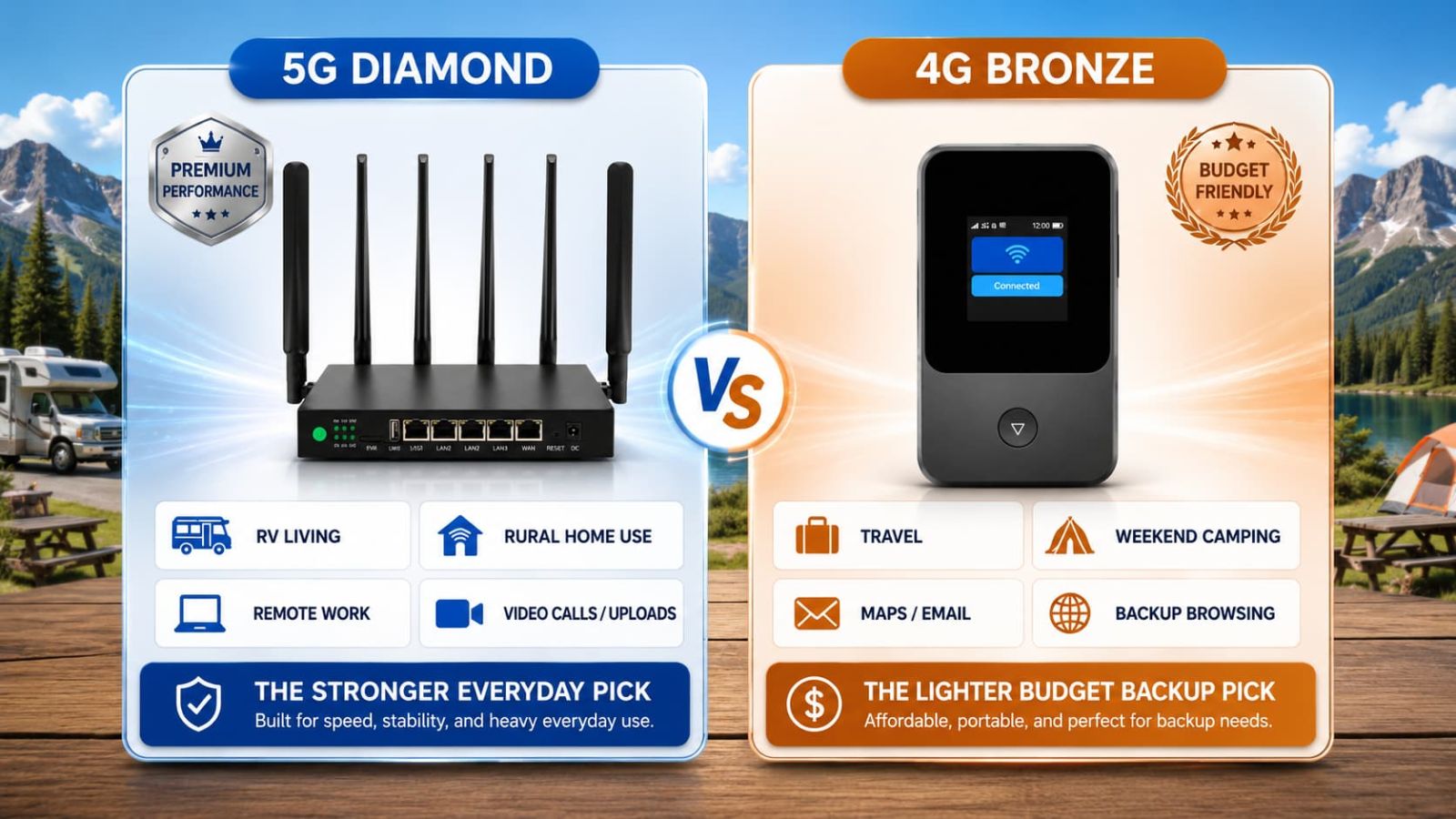
💸 Best budget camping backup
4G Bronze is the SwiftNet plan to compare first for maps, email, messages, light browsing and weekend camping backup.
🏆 Best for heavier RV park use
5G Diamond is easier to justify when the RV becomes your work base, streaming setup or multi-device family network.
SwiftNet is for campers who need their own connection, not just a nicer campground login page.
Use this guide if your campground or RV park WiFi keeps getting crowded, your phone hotspot is draining battery, or your campsite internet has to carry more than a few quick messages. Skip the upgrade if you camp to disconnect and only need occasional maps, weather and texts.
Compare SwiftNet if
- ✅ Campground WiFi is weak, crowded or unreliable.
- ✅ Your campsite has workable cellular signal.
- ✅ You use laptop work, video calls, streaming or several devices.
- ✅ You want a separate backup instead of running your phone as the whole network.
Skip or wait if
- ✕ Your usual campsites have poor cellular signal.
- ✕ Your phone plan already handles light trips without battery or data pain.
- ✕ You only need weather, maps and a few messages.
- ✕ You are not willing to check device terms and recurring subtotal.
Campground WiFi is fine when it works. That “when” is doing a lot of work.
Shared campground WiFi is useful for light browsing when the park network is not crowded and your site is close enough to the access point. The problem is that campers rarely control those variables. A dedicated cellular hotspot or router gives you a private connection, but only if the cellular signal at that campsite is good enough.
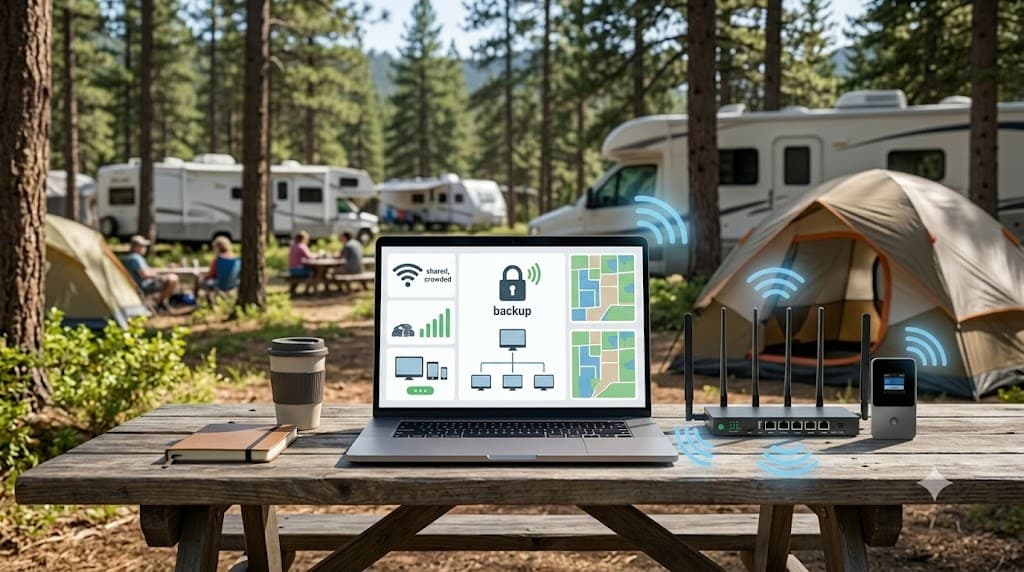
4G Bronze is the easier SwiftNet pick for weekend camping and lighter backup use.
4G Bronze is not the strongest SwiftNet setup. That is the point. It is the lower-cost path to compare if your camping internet needs are practical: maps, email, messages, light browsing, campground WiFi backup and occasional laptop checks.
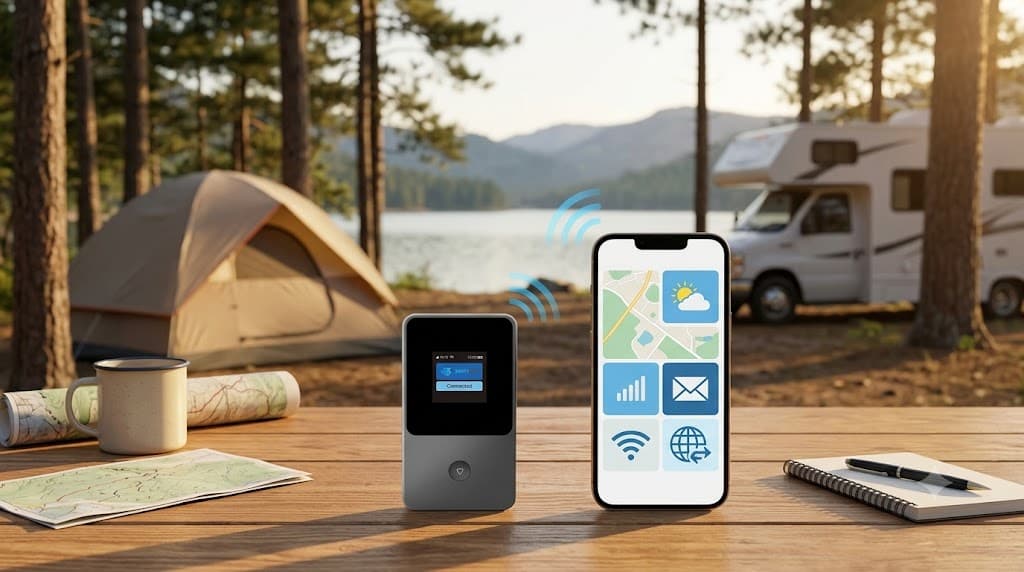
You camp light.
Choose 4G Bronze if your real tasks are maps, email, weather, messages, browsing and backup when park WiFi gets lazy.
You work from camp.
If the campsite is also your office, 4G Bronze is easier to outgrow. Compare 5G Diamond instead.
5G Diamond is the better SwiftNet path for RV parks, longer stays and heavier camping internet.
If your camper is your office, classroom, streaming room or family network, 5G Diamond is the SwiftNet setup to compare first. It is not the cheapest path, but it is the easier one to recommend when dropped calls, slow uploads or several devices would ruin the trip.
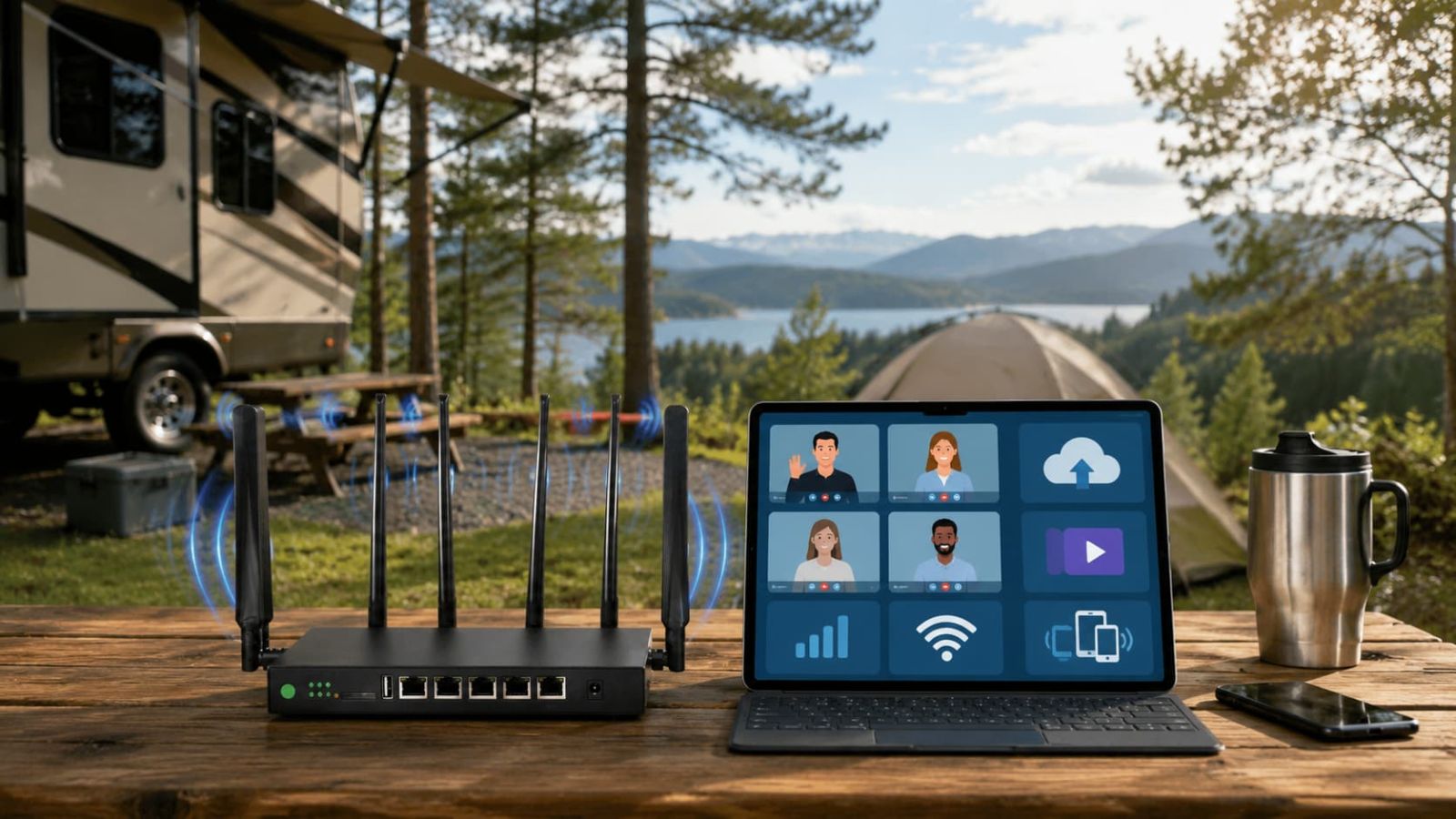
Buy camping internet gear by power, placement, data and signal support, not by the prettiest spec sheet.
The best camping hotspot is the one you can keep charged, place well and match to your actual campsite workload. A small device can be enough for light travel. A router-style setup makes more sense when the RV becomes a repeat work or family internet base.
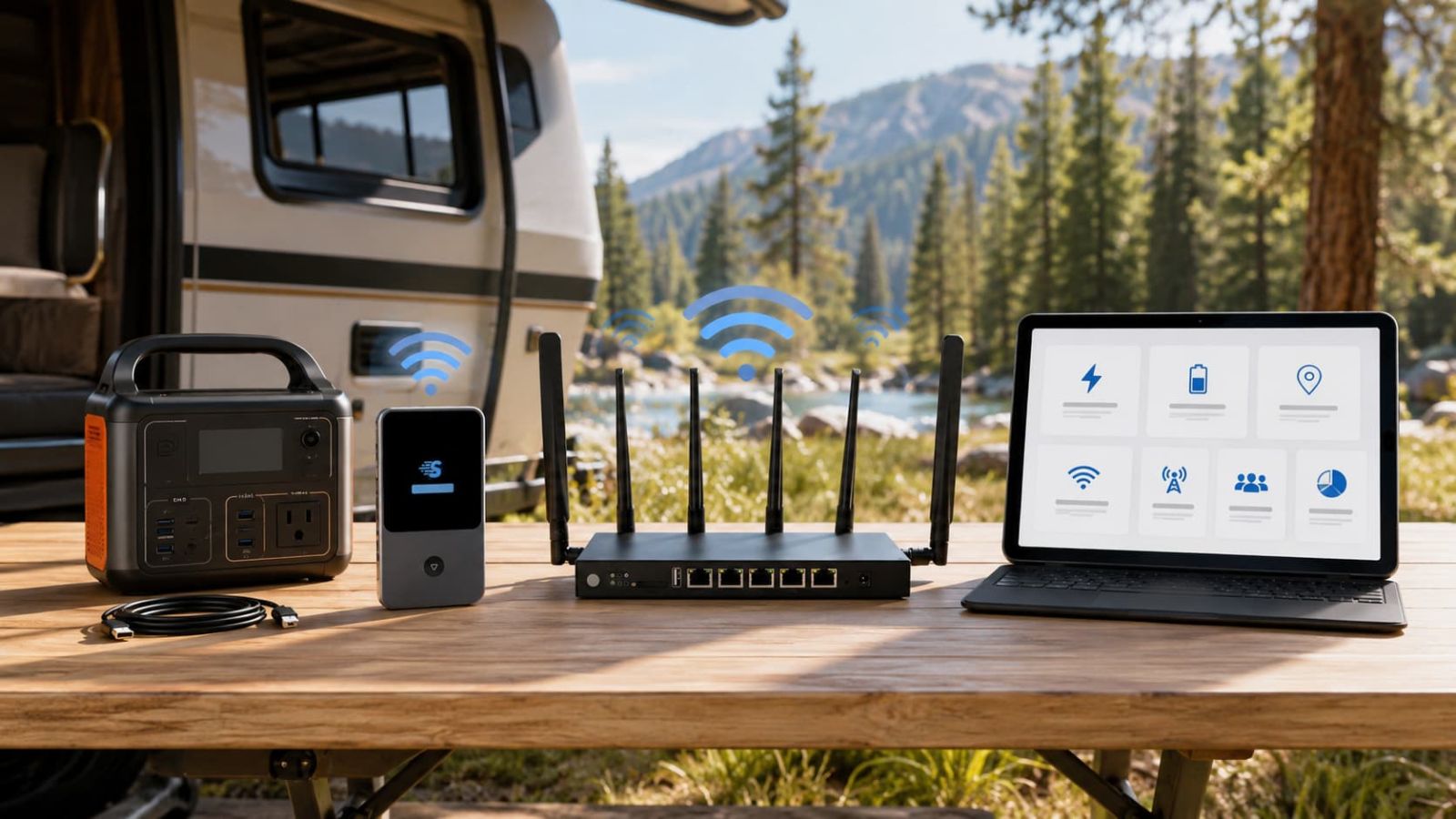
Do not judge camping internet by the first checkout number alone.
For camping, the real cost is the plan, data fit, device path, charging setup, coverage at your campsite and whether the connection saves you from fighting weak shared WiFi. A low price that fails at your actual site is not a deal. It is a very scenic troubleshooting hobby.
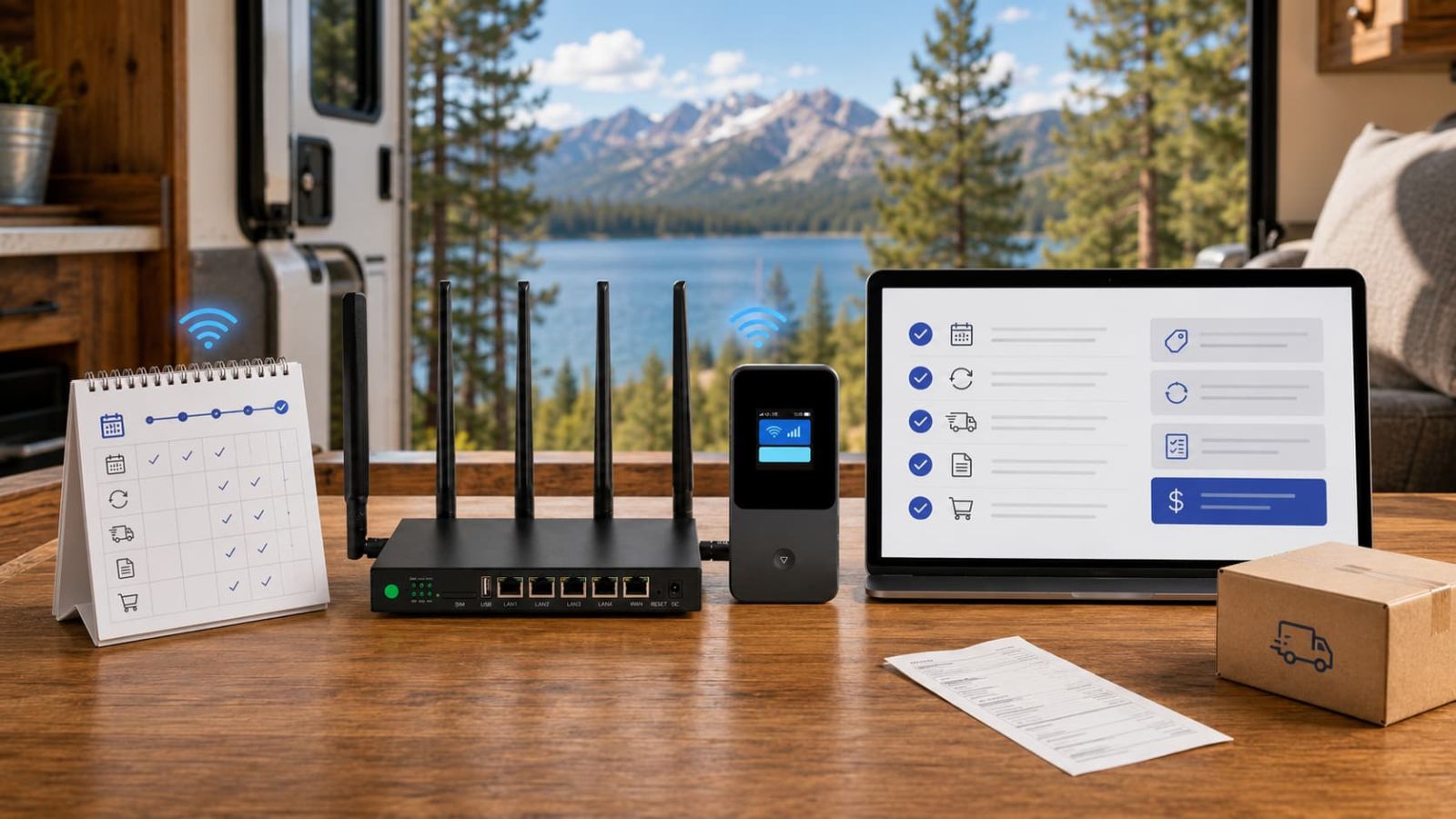
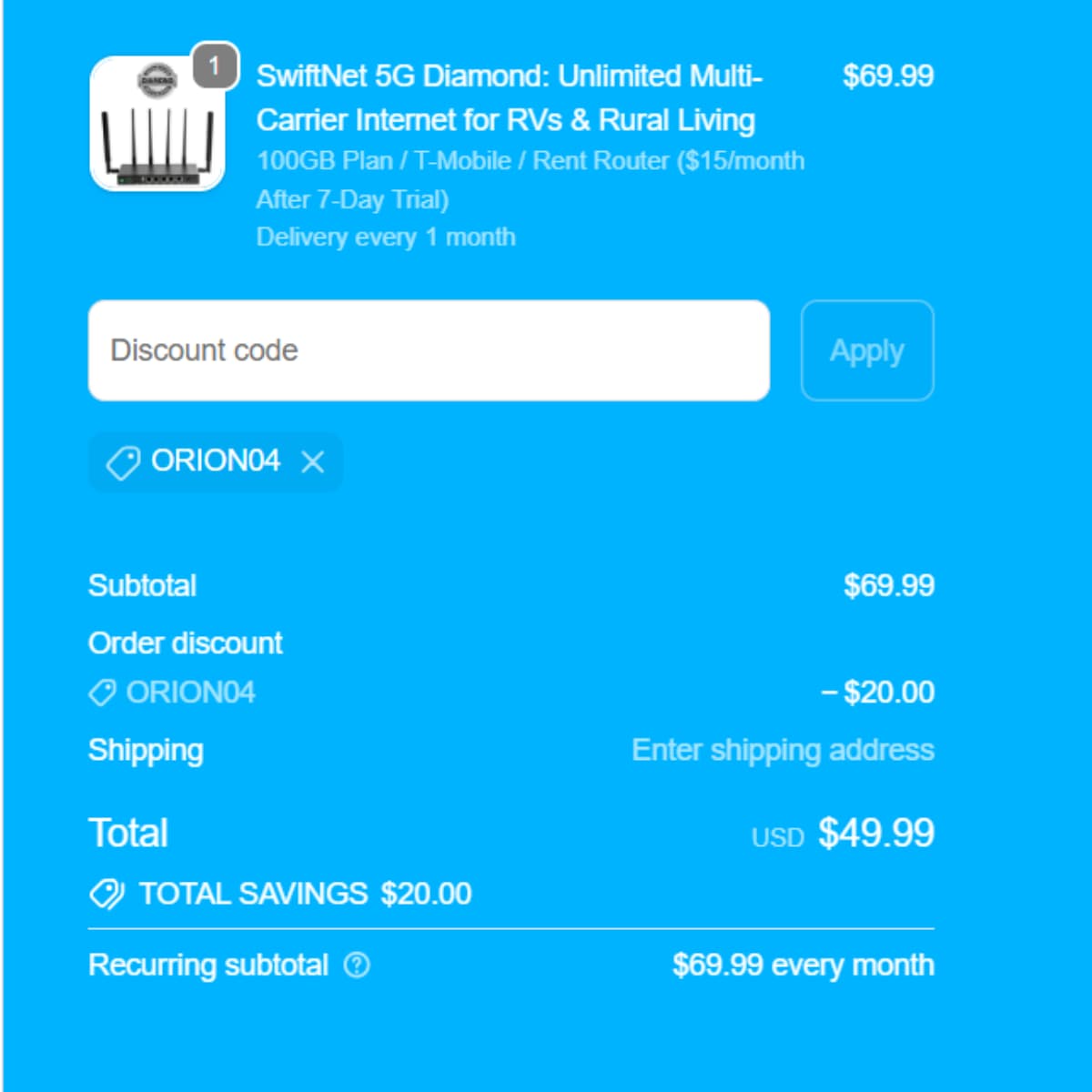
5G Diamond: ORION04 lowers the first checkout total to $49.99.
The 5G Diamond path shows $69.99 from $99.99. ORION04 can take another $20 off, bringing the checked first checkout total to $49.99 before shipping, tax or later recurring charges.
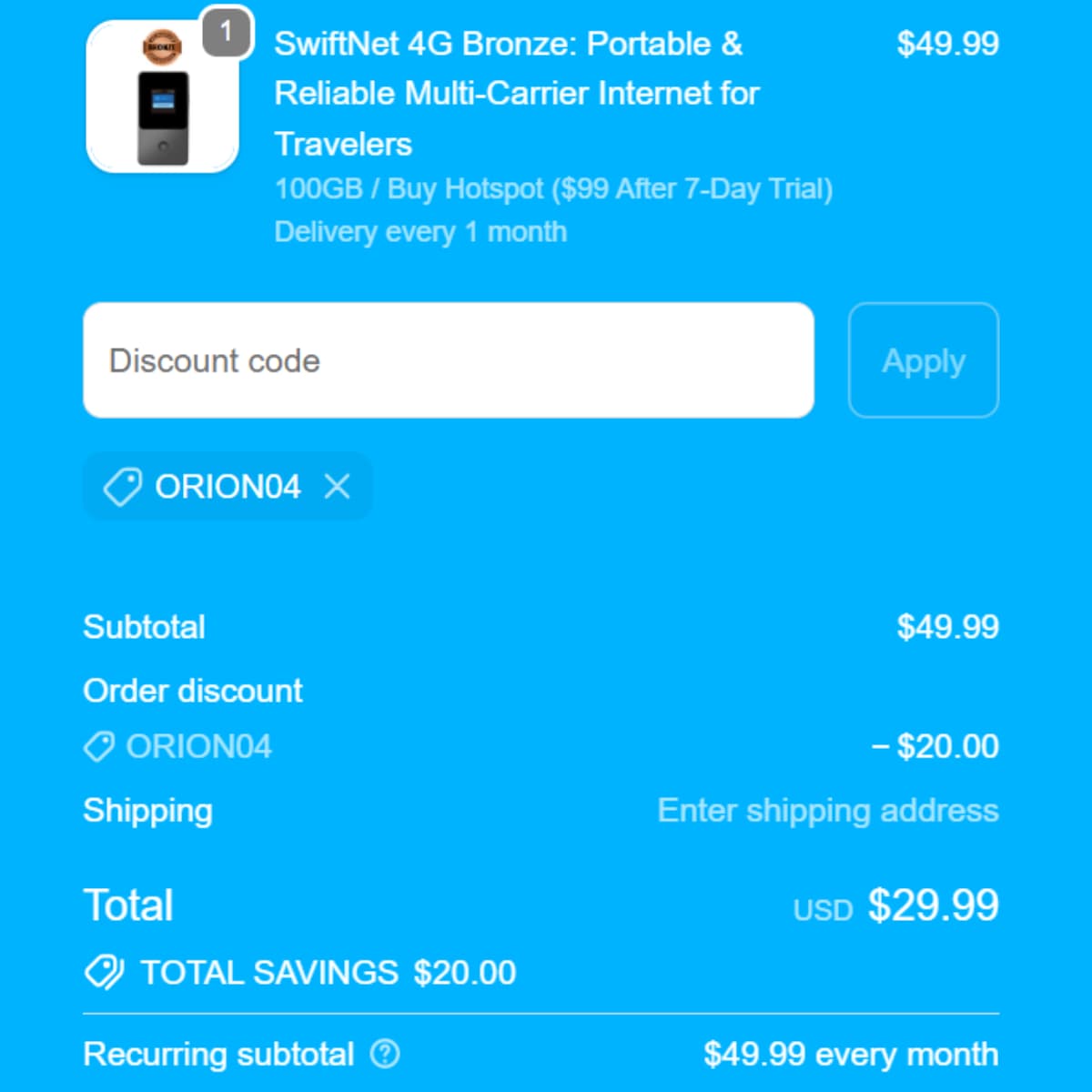
4G Bronze: ORION04 lowers the first checkout total to $29.99.
The 4G Bronze path shows $49.99 from $79.99. ORION04 can take another $20 off, bringing the checked first checkout total to $29.99, but the recurring subtotal may still show $49.99 every month.
Test the campsite, not the general region.
Camping internet is local. A campground can have good signal near the entrance and poor signal near the trees. A lake site, wooded loop or valley can behave differently from the main road. Test exactly where you park, during the hours you actually use the connection.
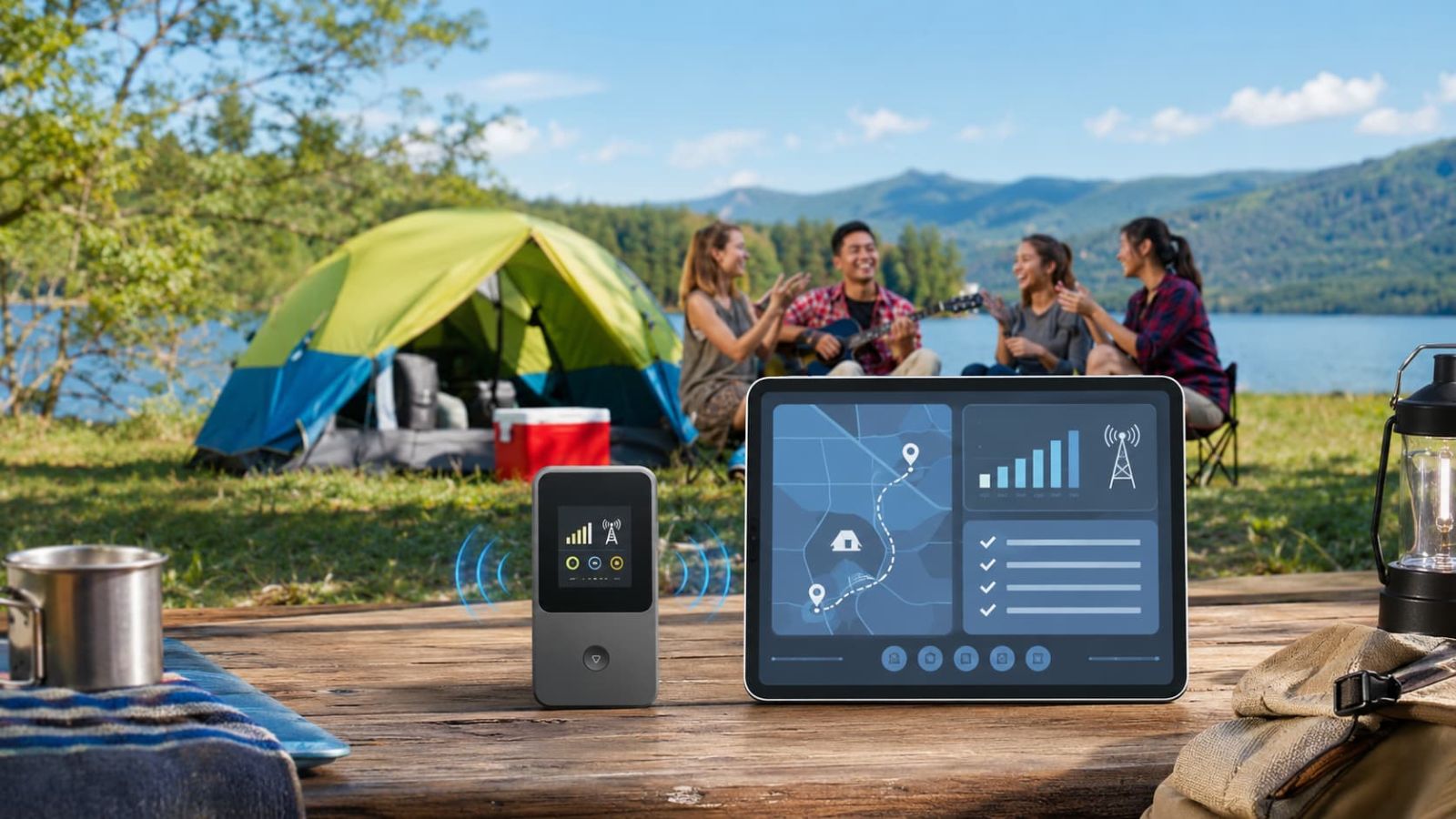
Check signal before streaming. Start with one phone or laptop, then add devices after the basic connection works.
Move the device. Try window, raised shelf, open side of the RV and a spot away from metal, appliances and clutter.
Test evening hours. Campground and tower load can feel different after everyone gets back to camp.
Have offline fallback. Download maps, key documents and entertainment before entering weak-coverage areas.
SwiftNet can help with weak campground WiFi, but it does not fix every camping internet problem.
It still needs cellular signal.
If your work spot has poor cellular signal, 5G Diamond cannot turn nothing into a tower. Check coverage first.
4G Bronze is lighter duty.
It fits backup and casual camping jobs better than regular calls, uploads, streaming and multiple-device family use.
5G Diamond costs more.
The higher setup only makes sense if your camping internet is a real workload, not a weekend weather check.
Placement still matters.
A good device placed in a bad RV corner can look worse than it is. Test before blaming the plan.
SwiftNet WiFi For Camping FAQ
SwiftNet is best for campers who need a private backup connection where cellular signal is already usable.
Choose 4G Bronze if your camping internet is light and practical. Choose 5G Diamond if your RV park or campsite setup has to carry work, streaming, calls or several devices. Skip both if your camping spots are cellular dead zones, or if campground WiFi and your phone already handle the job without pain.