
SwiftNet WiFi is not the only path for RV, rural or portable internet. But the right alternative depends on the reason you are looking away from SwiftNet: no cellular coverage, heavier rural-home use, cheaper backup browsing, or a provider comparison before checkout.
We may earn a commission when you buy through our links. See our Affiliate Disclosure.

The best alternative depends on what SwiftNet is not solving.
If cellular coverage is missing, a different cellular-style plan is not the fix. Compare satellite first. If cellular works but you want another portable provider, compare Nomad Internet. If the real issue is choosing the wrong SwiftNet lane, start with 5G Diamond, 4G Bronze or Waveform before abandoning SwiftNet entirely. Very dramatic, yes: sometimes the answer is “pick the right tool.”
SwiftNet WiFi Alternatives Compared by Job
This table keeps the alternatives focused on fit. For live SwiftNet discounts, coupon proof and checkout rows, use the SwiftNet deals guide instead of turning this alternatives guide into a coupon petting zoo.
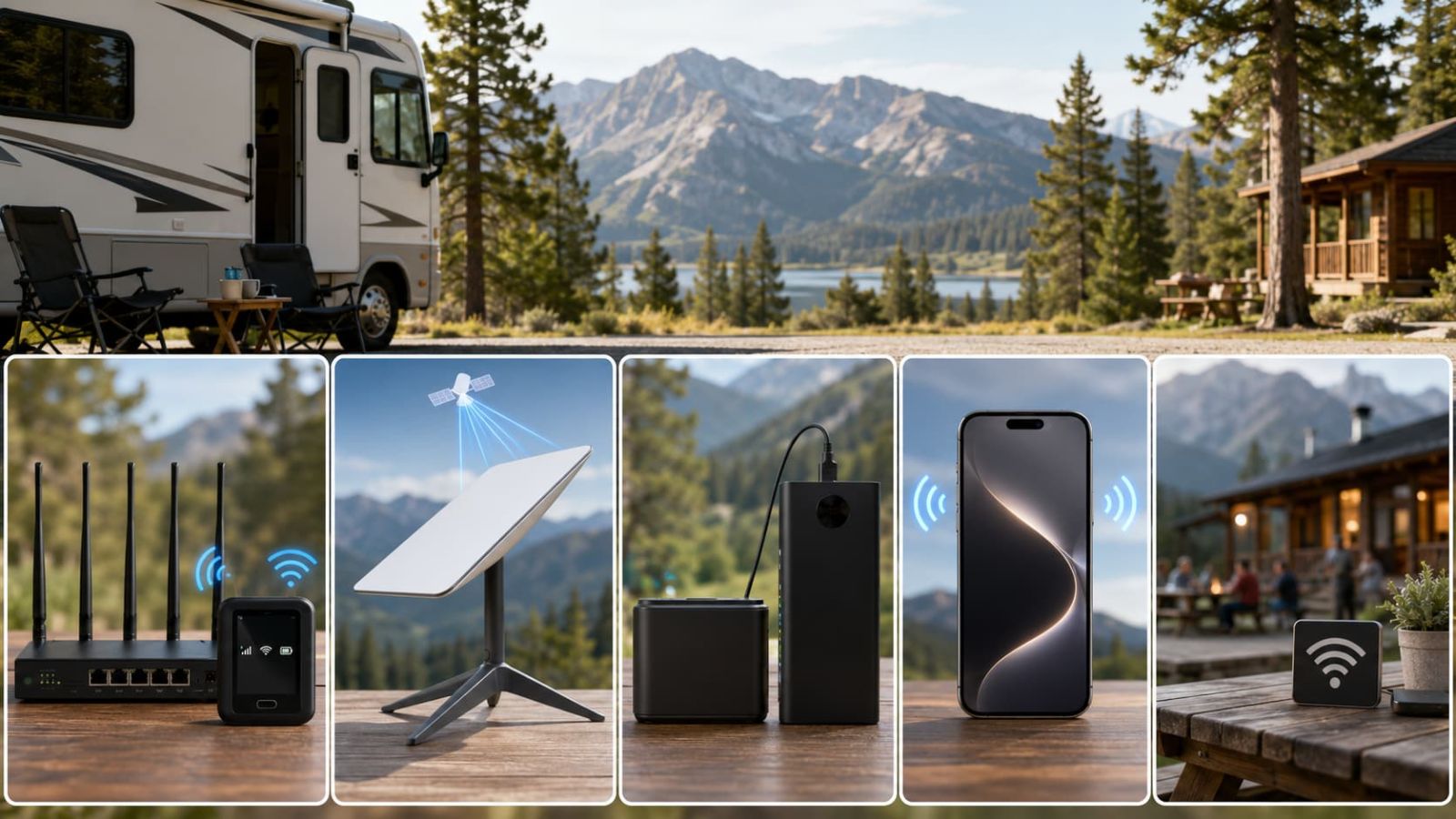
The Best SwiftNet WiFi Alternatives for Each Situation
The useful question is not “which brand is better?” It is whether your real problem is coverage, workload, portability, price, or buying the wrong setup because the internet industry apparently needed more ways to confuse people.

Starlink or satellite internet
Starlink-style satellite internet is the first alternative to compare when your RV route, cabin, ranch or campsite sits far from reliable cellular coverage. If there is no workable 4G/5G signal, another cellular plan is just a more expensive way to be disappointed.
Choose this if
- ✅ Your main problem is no usable cellular coverage.
- ✅ You camp or work in remote areas with open sky.
- ✅ You can handle equipment, power and setup needs.
Skip this if
- ✕ You already have workable cellular coverage.
- ✕ You want the lightest possible travel setup.
- ✕ You do not want to manage hardware, plan and setup checks.
Check before buying: hardware cost, monthly plan, sky view, power setup, mount options, shipping, taxes and return terms. Read the full SwiftNet WiFi vs Starlink comparison before treating satellite as the automatic answer.
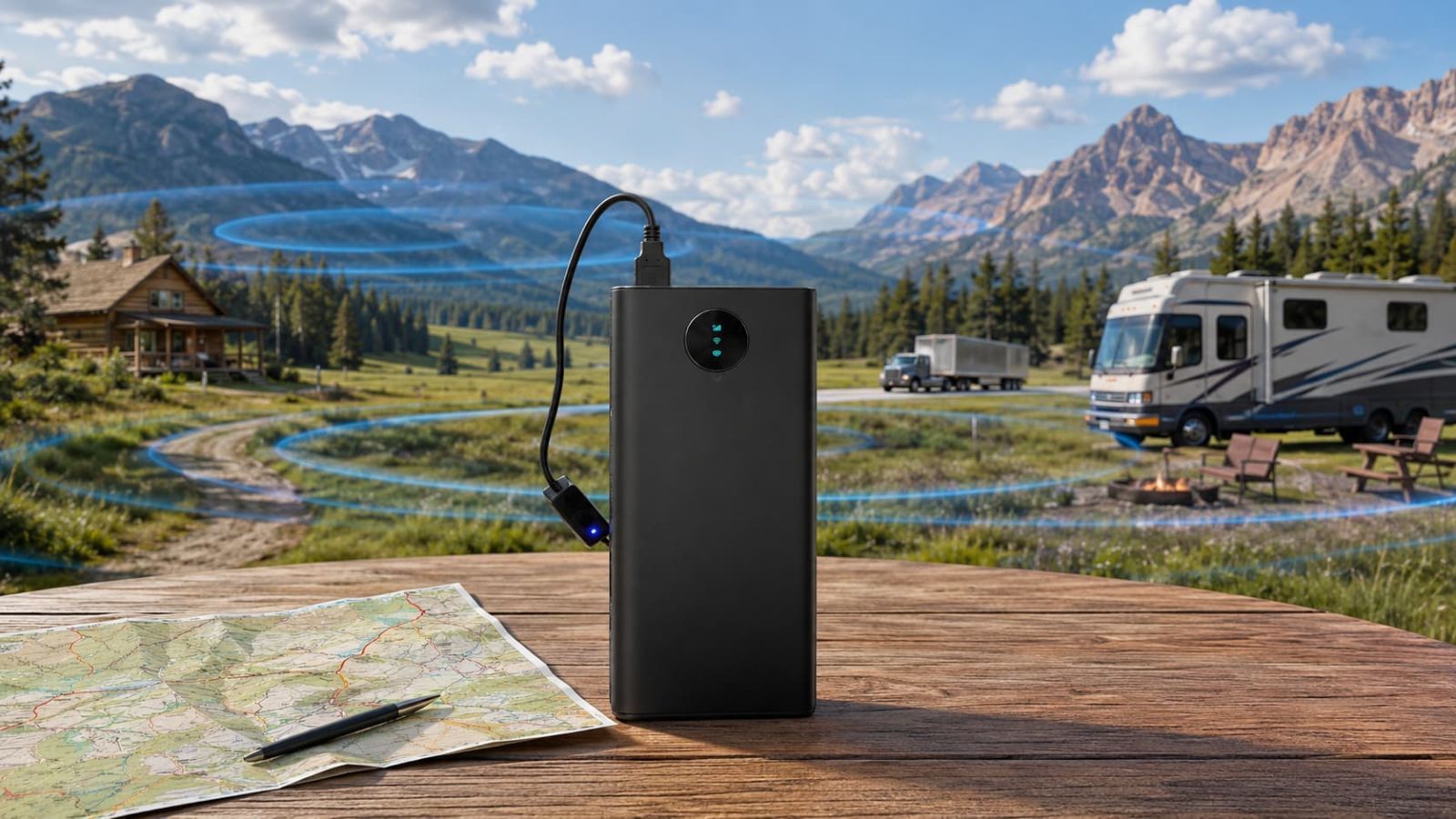
Nomad Internet
Nomad Internet is the most obvious alternative when you want another portable wireless provider to compare against SwiftNet. It makes sense to check if its current plan, device, guarantee and coverage terms look better for your home, road, travel or work setup.
Choose this if
- ✅ You want another portable wireless provider quote.
- ✅ You will verify its current device and coverage terms.
- ✅ You like plan choices organized around lifestyle use cases.
Skip this if
- ✕ You have not checked coverage at your exact route.
- ✕ You are assuming the monthly price is the full cost.
- ✕ Your real issue is no cellular coverage at all.
Check before buying: live plan price, device terms, guarantee rules, shipping, cancellation terms and monthly subtotal. Use the full SwiftNet WiFi vs Nomad Internet comparison if this is your main fork in the road.

Carrier home internet or fixed wireless
Carrier home internet can make more sense than a portable setup if you mainly need internet at one rural address. It is less exciting than a travel router, which is fine. Internet is supposed to work, not have a personality.
Choose this if
- ✅ You use internet mostly at one fixed rural home.
- ✅ Local coverage and address eligibility are strong.
- ✅ You do not need a setup that moves with your RV route.
Skip this if
- ✕ You need internet across campsites, hotels or road trips.
- ✕ The service is locked to one location.
- ✕ Speeds fall apart during local congestion.
Check before buying: address eligibility, router terms, taxes, contract language, cancellation rules, real-world speed during peak hours and whether the setup can move if your use case changes.

Phone hotspot, campground WiFi or hotel WiFi
A phone hotspot or shared WiFi can be enough for light maps, email, messages and occasional browsing. It is not the grown-up answer for daily work calls, uploads or multi-device RV use, but not every situation needs an entire internet setup wearing a tiny crown.
Choose this if
- ✅ You only browse lightly and occasionally.
- ✅ You can tolerate speed drops and shared networks.
- ✅ You do not depend on internet for work.
Skip this if
- ✕ You need daily video calls or uploads.
- ✕ You travel with multiple connected devices.
- ✕ Shared WiFi congestion keeps ruining your connection.
Check before relying on it: phone battery, tethering limits, data caps, shared WiFi speed, network security and whether your campsite turns into a streaming festival at night.
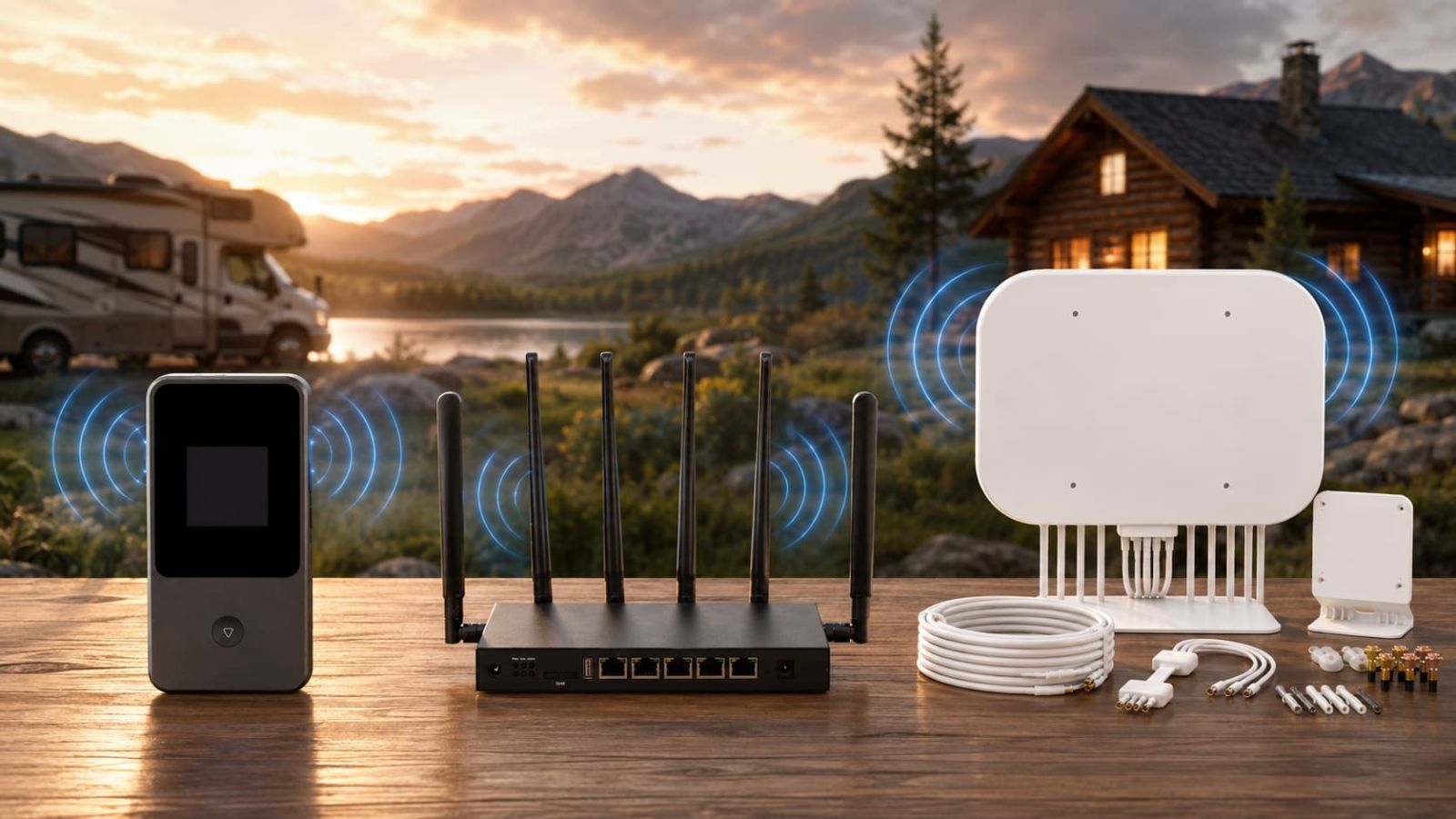
A different SwiftNet setup
Sometimes the best SwiftNet alternative is still SwiftNet, just not the first setup you were considering. 5G Diamond fits heavier daily RV and rural use. 4G Bronze fits lighter travel and backup browsing. Waveform belongs only in the signal-support lane.
Choose this if
- ✅ Your location already has workable cellular coverage.
- ✅ Your first SwiftNet pick did not match your workload.
- ✅ You want a clearer 5G / 4G / antenna decision path.
Skip this if
- ✕ There is no usable cellular signal where you need internet.
- ✕ You need a fixed home-only plan with address-based service.
- ✕ You expect an antenna add-on to create coverage from nothing.
Read the Best SwiftNet WiFi Plans guide before switching providers. If SwiftNet is still the right fit, try ORION04 at checkout and verify the discount line before paying.
Use This Before Picking an Alternative
This is the part where we save everyone from comparing brands when the real issue is physics, terrain, towers or the lovely little chaos called billing.
Do you have usable cellular signal?
If no, compare satellite internet first. If yes, keep comparing portable wireless options.
Do you need daily work internet?
If yes, compare SwiftNet 5G Diamond, fixed wireless or another heavier-use provider path.
Do you only need portable travel backup?
If yes, compare SwiftNet 4G Bronze, Nomad Internet or your phone hotspot before overbuying.
Is the signal weak but usable nearby?
If yes, consider Waveform-style antenna support. If no, do not buy hardware expecting magic.
Price Should Follow Fit, Not Lead It
Do not start with the cheapest monthly number. First decide whether your situation needs cellular, satellite, fixed wireless, a phone hotspot, shared WiFi or a different SwiftNet setup. Then check device cost, hardware cost, monthly subtotal, shipping, taxes, trial or refund terms and cancellation rules. A bad-fit plan with a clean checkout screen is still a bad-fit plan, just wearing deodorant.
Coverage: Check the exact RV park, cabin, route, ranch, hotel or campsite where you actually need internet.
Subtotal: Compare first checkout cost, recurring monthly cost, shipping, taxes, device cost and later renewal terms.
Trial or return terms: Know the refund window before treating any internet setup like a risk-free experiment.
Setup needs: Satellite may need sky view and power. Cellular may need workable signal. Shared WiFi may need a miracle.
The Checklist That Matters More Than the Sticker Price
Before you choose SwiftNet, Starlink, Nomad, a carrier plan, a phone hotspot or campground WiFi, check these boring details. Boring details are where bad purchases go to reveal themselves.
Real coverage: Do not trust a general coverage promise. Test or verify the exact place where you will work, stream, call or upload.
Total cost: Compare device cost, plan price, equipment cost, taxes, shipping, duties and recurring subtotal.
Shipping and setup: Check timing, hardware requirements, router or hotspot rules, antenna needs and power setup.
Workload: Browsing is not the same as video calls, uploads, streaming, family use or daily remote work.
Fit before discount: Use ORION04 only if SwiftNet still matches your job. A discount on the wrong setup is still the wrong setup.
Every Alternative Has a Catch
The trick is not finding a flawless internet option. That does not exist, because apparently WiFi is powered by hope and customer support queues. The trick is picking the flaw you can live with.
Satellite: Better for dead zones, but hardware, sky view, power and plan cost still matter.
Nomad Internet: Useful as a portable wireless comparison, but live coverage, device and terms must be checked.
Carrier home internet: Stronger for fixed rural homes, weaker when you need RV or travel flexibility.
Phone hotspot: Cheap and simple for light use, but not the setup to trust for serious daily internet.
Shared WiFi: Fine when it works. Painful when everyone nearby discovers video streaming at the same time.
SwiftNet WiFi Alternatives FAQ
The best SwiftNet alternative is the one that solves the real problem.
If cellular coverage is missing, compare satellite first. If you want another portable wireless provider, compare Nomad Internet. If your internet need is light, a phone hotspot or shared WiFi may be enough. If the real issue is choosing the wrong SwiftNet setup, start with 5G Diamond for heavier daily use, 4G Bronze for lighter travel, and Waveform only for signal support.
The cleanest path is not glamorous: check coverage first, match the workload second, compare total cost third, then use ORION04 only if SwiftNet is still the right fit. Humanity has built rockets and still struggles with recurring subtotals, so yes, check the subtotal.