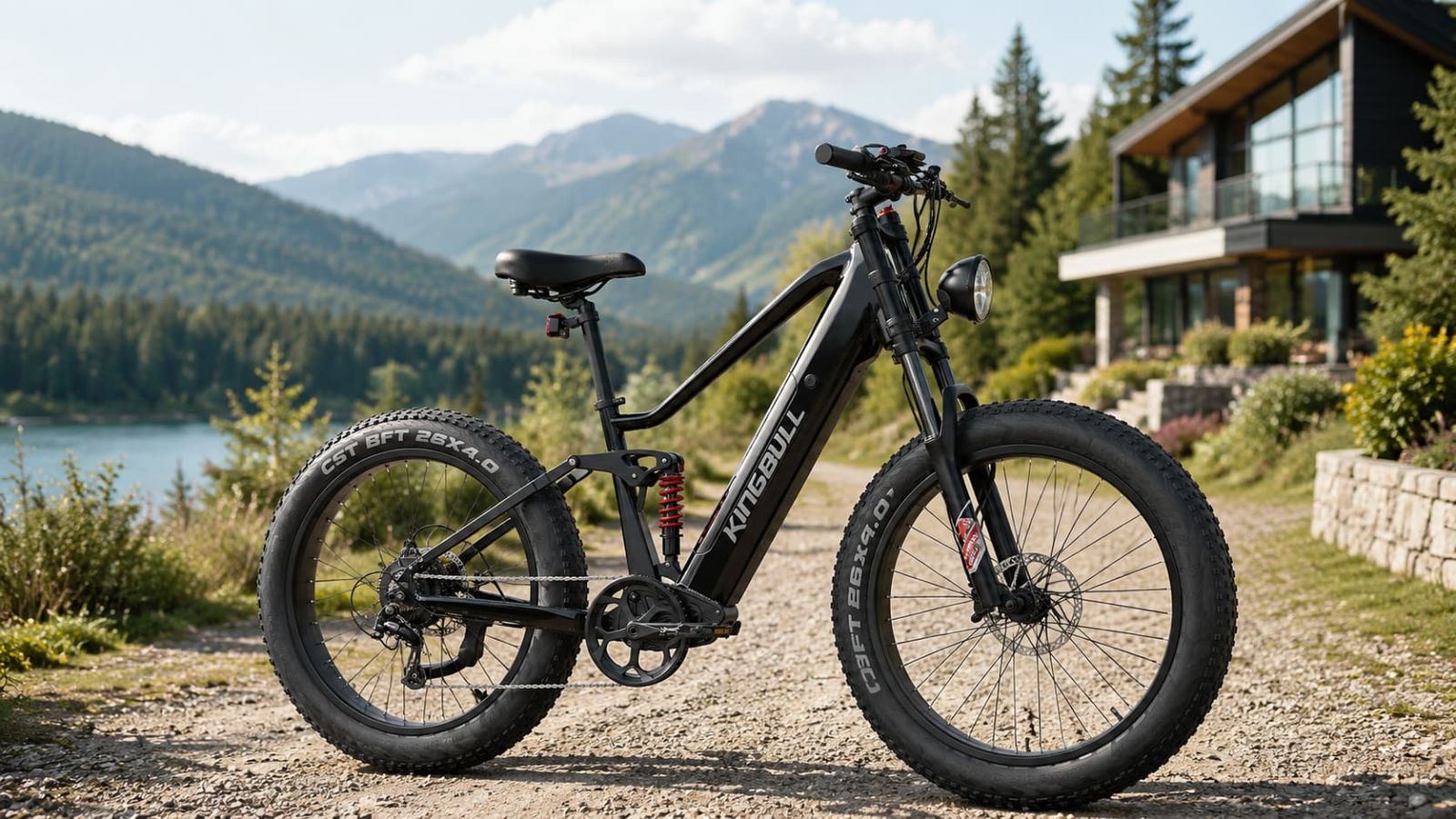
Buy the Rover 2.0 if you want a more comfort-focused Kingbull model without jumping straight into the highest premium tier. It makes sense for riders who want full suspension, all-terrain usefulness and a more planted ride feel. Choose Hunter 2.0 if lowest price matters most, or Voyager 2.0 if cargo utility is the real mission.
Full suspension can improve comfort and control, but it does not cancel local e-bike rules, safe riding habits or terrain limits. Always verify current specs, assembly needs, shipping and warranty details on the live product page before buying.
Who Is the Kingbull Rover 2.0 Best For?
The Rover 2.0 is best for shoppers who want a more comfortable all-terrain e-bike than the lowest-price fat-tire tier. If you ride rougher paths, mixed surfaces or longer routes where suspension comfort matters, Rover 2.0 is easier to justify than a basic value-only model.
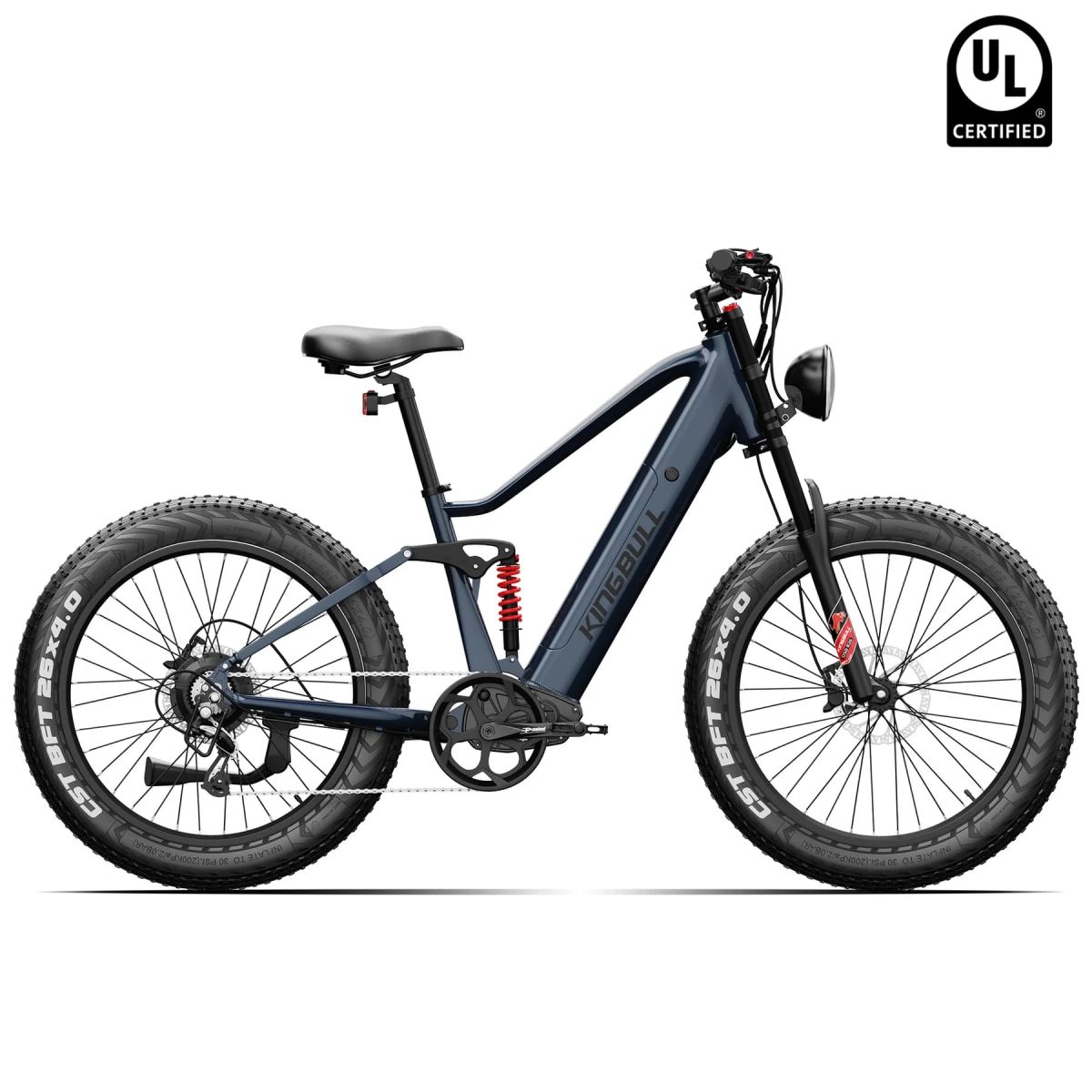
The strongest reason to choose Rover 2.0 is comfort-per-dollar. It adds full-suspension utility while staying below the most expensive Kingbull models.
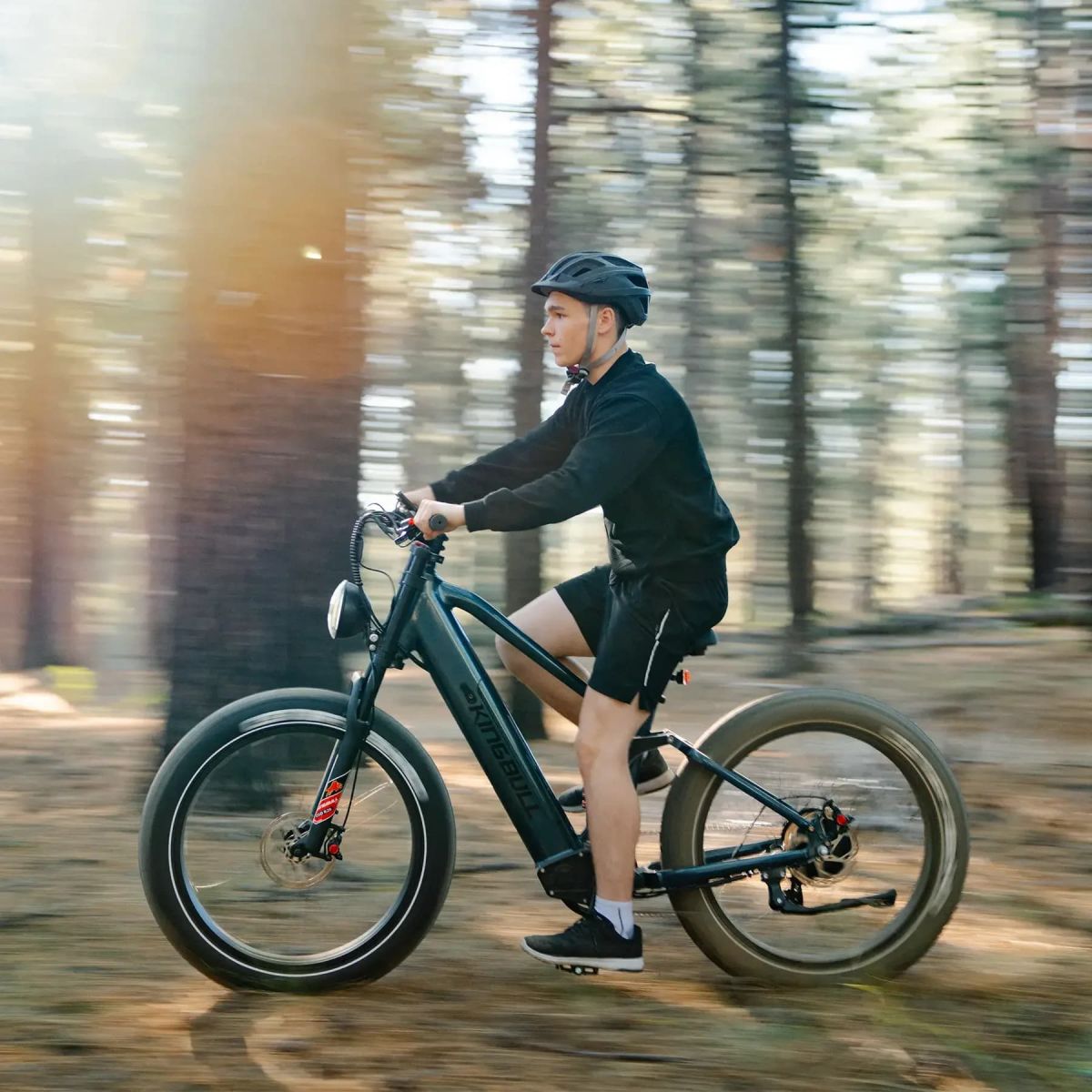
Choose it when ride comfort, suspension and rough-surface confidence matter more than lowest price or cargo capacity. It is the practical middle path for comfort-minded buyers.
Kingbull Rover 2.0 Specs That Actually Matter
The Rover 2.0 is not just another fat-tire e-bike with a different name slapped on it like a sticker at a yard sale. The buying logic is full suspension, comfort, all-terrain stability and whether that upgrade is worth spending more than Hunter 2.0.
Rover 2.0 Spec Breakdown
The main reason to consider Rover 2.0 is its full-suspension setup. This matters if you ride rougher local paths, mixed terrain or longer routes where comfort starts affecting whether you actually enjoy the ride or just endure it dramatically.
The 750W motor tier keeps Rover 2.0 competitive inside Kingbull’s all-terrain lineup. The practical takeaway is not “race machine,” it is better support for hills, loose surfaces and stop-start riding compared with a weaker commuter setup.
The listed range gives Rover 2.0 a useful daily and weekend profile, but real distance depends on terrain, rider weight, assist level, wind and tire pressure. Tiny details, apparently, still run the universe.
Rover 2.0 fits buyers who want more comfort and control on mixed surfaces without automatically paying for the highest-end model. That makes it one of the more logical Kingbull upgrades if suspension is the point.
Is the Rover 2.0 Worth It for the Price?
At a visible $1,199 sale price, Rover 2.0 sits in a useful middle tier: more expensive than Hunter 2.0, slightly above Voyager 2.0, but still below several premium Kingbull models. The question is not whether it is the cheapest. It is whether full suspension solves a real riding problem for you.
You want full suspension value
Rover 2.0 is strongest if comfort and all-terrain confidence matter more than buying the lowest-price fat-tire model.
You want lowest price
Hunter 2.0 makes more sense if the mission is budget fat-tire value and you do not need full suspension.
You need cargo utility
Voyager 2.0 is a better fit if errands, baskets, trailer options and daily carrying matter more than suspension.
Kingbull Rover 2.0 Pros and Cons
- Clear full-suspension upgrade path over the budget fat-tire tier
- Visible $1,199 sale price keeps it in a practical mid-tier zone
- Strong fit for mixed surfaces and comfort-minded riders
- Better value logic than buying a premium model just for bragging rights
- Easy to compare against Hunter, Voyager and EX Titan
- Final price and availability can change
- Range is an “up to” estimate, not a fixed outcome
- Suspension adds value only if your riding actually needs it
- Voyager may be better for cargo and errands
- Local e-bike rules, assembly and warranty details still matter
Rover 2.0 vs Other Kingbull Models
If Rover 2.0 feels too comfort-focused, compare Hunter 2.0 for lowest entry price, Voyager 2.0 for cargo utility, and EX Titan or Jumper Go for premium full-suspension positioning. This is the part where the spreadsheet saves your wallet from your dopamine.
Hunter 2.0
Better if you want a cheaper fat-tire e-bike and do not need Rover’s full-suspension comfort.
Voyager 2.0
Better if errands, baskets, trailer options and daily utility matter more than suspension.
EX Titan / Jumper Go
Better if you want to compare higher full-suspension tiers before committing to Rover 2.0.