Harlembling is strongest for bold, high-shine jewelry buyers who care more about visual impact than old luxury-house prestige.
Jewelry buying has changed. A lot of buyers are no longer starting with the old question of whether a piece belongs to a traditional luxury house. What they care about first is more immediate: how expensive it looks, how much presence it has, how much it shines on camera, and whether it makes an outfit feel more intentional.
That is exactly where Harlembling becomes interesting. The brand sits in a specific lane: bold jewelry with strong visual presence, heavy shine, moissanite options, sterling silver pieces, gold finishes, and a price structure that feels more accessible than traditional luxury jewelry. It is not trying to sell heritage romance in a velvet room. It is selling impact, reflection, and “this looks serious” energy without asking buyers to remortgage their sanity.
This Feels More Structured Than a Random Jewelry Site
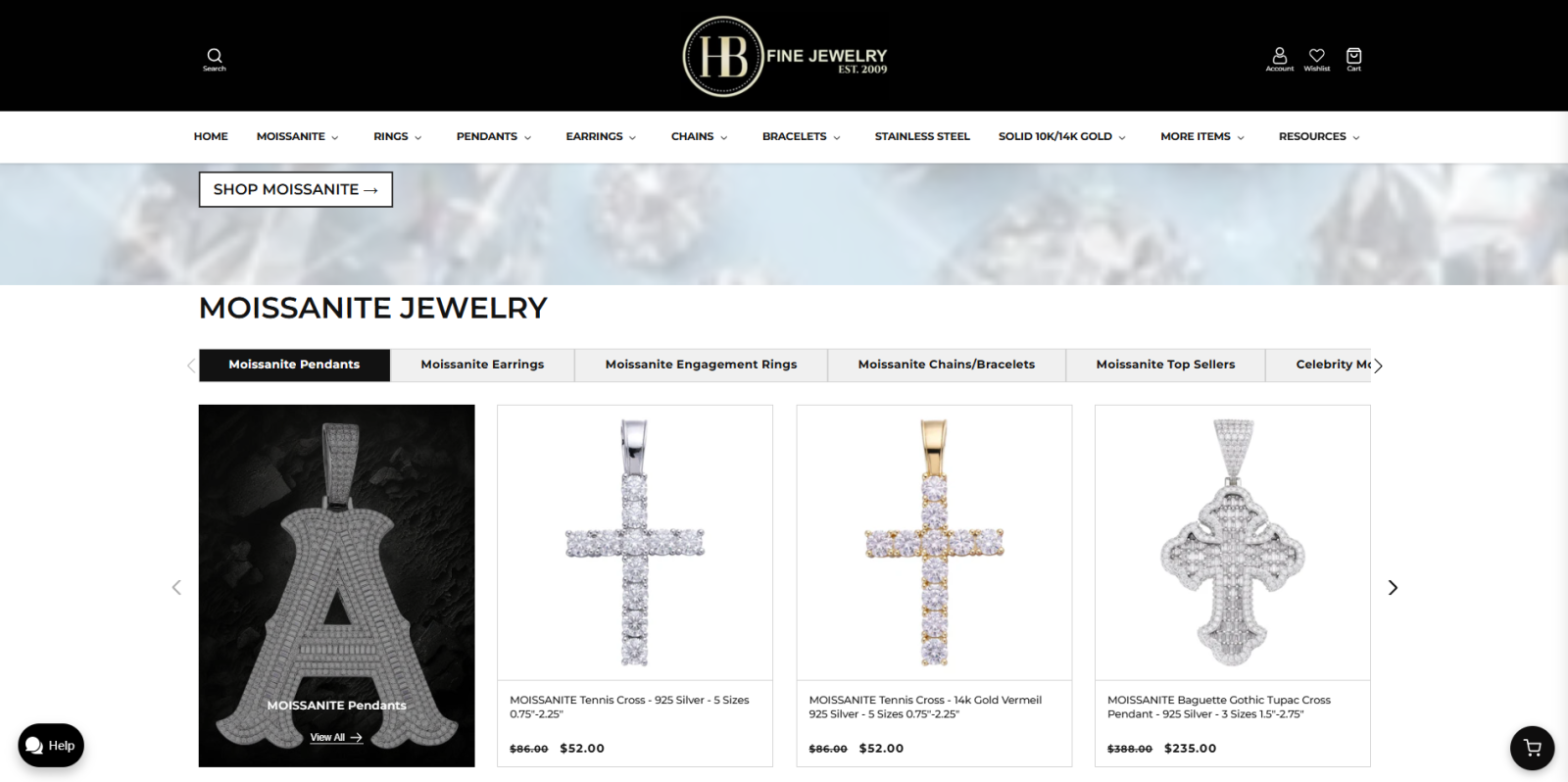
One of the first things that stands out is that Harlembling is not just a one-product trend shop. The site is organized into deep categories including moissanite, rings, pendants, earrings, chains, bracelets, stainless steel, solid 10k/14k gold, ladies jewelry, watches, closeout deals, and weekly deals.
That structure matters because buyers are not only judging the product. They are judging the environment around the product: whether the store has categories, support pages, return links, tracking links, product pages with variant selectors, and visible checkout cues. Harlembling gives more structure than many small jewelry stores, which helps reduce first-order hesitation.
.png)
Harlembling Coupon Code, Closeout Deals & Live Price Checks
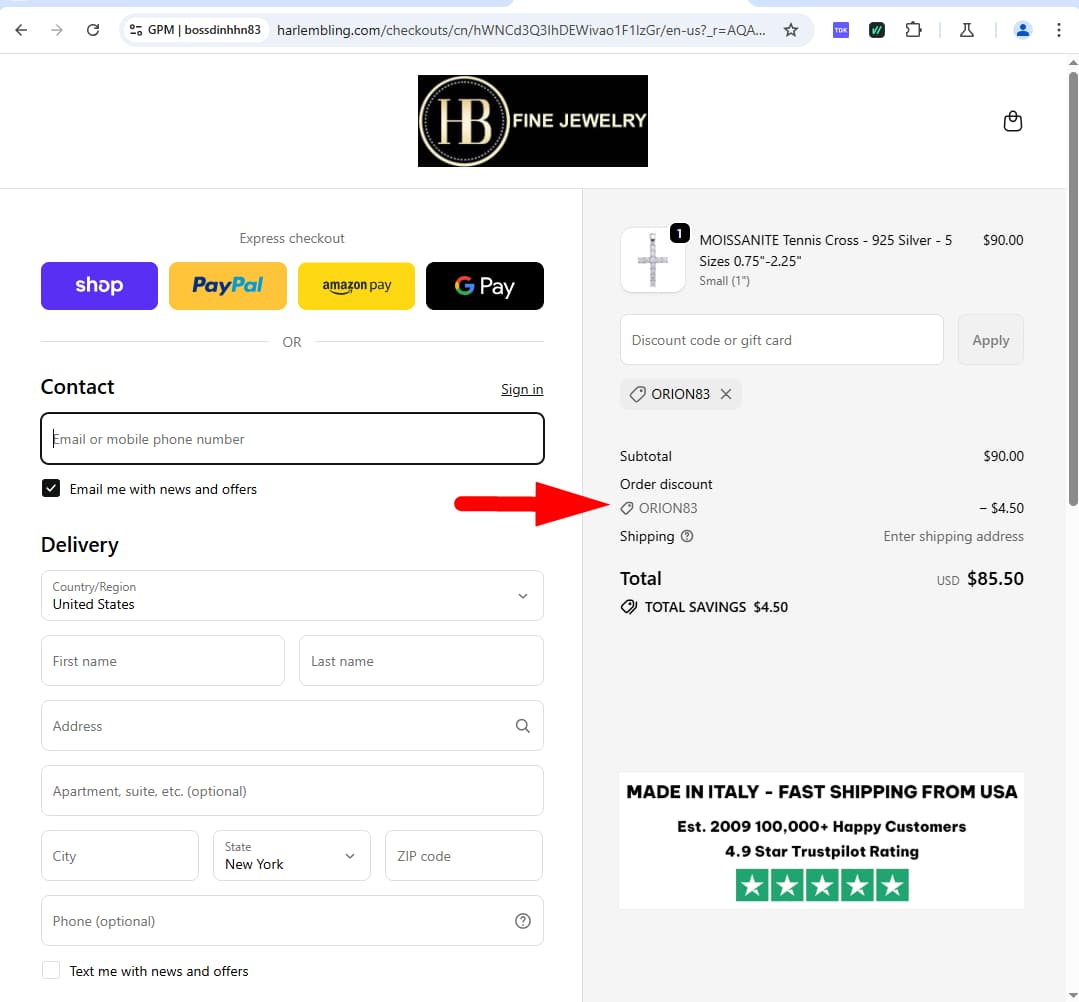
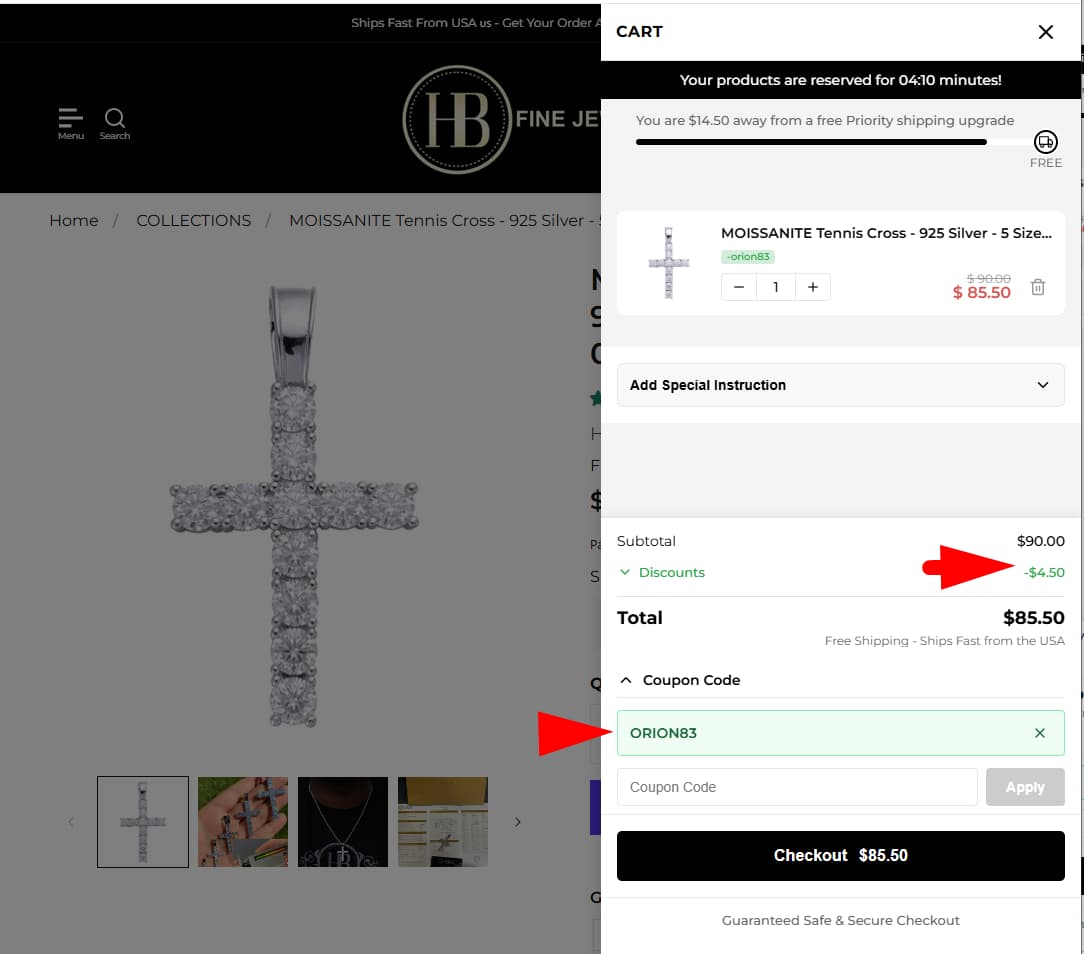
The cleanest CandidCodes coupon angle is ORION83, which showed a 5% order discount in the checkout screenshots. The cleanest public deal angle is the Closeout Deals collection, but live markdowns, crossed-out comparison prices, and currency displays can vary by region, IP, and current product-page conditions.
| Deal | Visible proof used | Buyer note | Link |
|---|---|---|---|
| Code ORION83 | Checkout screenshot: $90.00 subtotal, -$4.50 discount, $85.50 total. | Use at checkout and verify the discount before payment. Do not assume stacking with other markdowns. | Shop store |
| Closeout Check | Closeout Deals collection for live markdown browsing. | Check each product page, currency display, comparison price, and final cart total before treating any saving as confirmed. | Closeout Deals |
| Product Check | BUDGET Miami Cuban listing inside the Closeout path. | Use it as a product price-check example only. Verify the current live price, cart total, and any comparison-price display before relying on a markdown. | View product |
What Harlembling Is Really Selling
At a surface level, Harlembling sells jewelry. At a deeper level, it sells the appearance of value. Most buyers here are not shopping as if they are building a museum-grade fine-jewelry portfolio. They are shopping for pieces that look sharp, reflect light well, stand out in photos, and make a fit look more expensive than the actual spend.
That is why moissanite is central to the brand. Moissanite gives buyers a strong, bright, diamond-coded look without the same pricing structure as natural diamond jewelry. Harlembling leans into that across pendants, earrings, rings, chains, bracelets, engagement-style pieces, and top-selling collections.
.png)
Best for first-time buyers
Start with a smaller moissanite pendant, stud earrings, or a simpler chain if you want to test the brand’s look, shipping, and checkout process before going heavier.
Best for bold styling
Miami Cuban chains, tennis chains, iced bracelets, and larger moissanite pendants make the most sense if your goal is strong visual presence.
Best for deal hunters
Use the Closeout Deals collection first, then test ORION83 at checkout. Human civilization may yet survive if buyers compare the final cart, not just the headline deal.
Why Harlembling Product Pages Matter
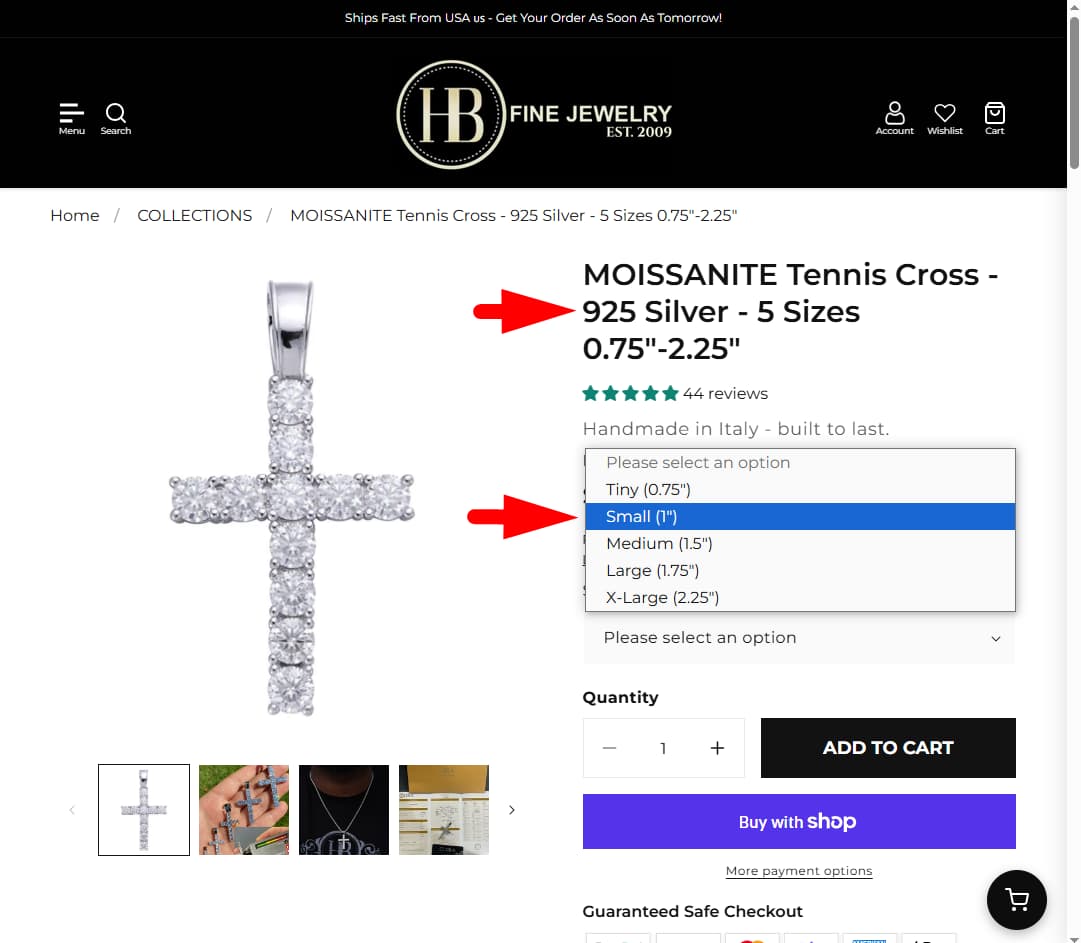
A good product page does more than present a piece of jewelry. It reduces doubt. Harlembling product pages typically show product images, variant selectors, current price, review count, material/finish messaging, shipping cues, and checkout options. That matters because hesitation often appears right before checkout, not at the beginning of interest.
The ORION83 screenshots are useful because they do not just show a theoretical code. They show the cart and checkout path after applying the code. For coupon content, that is more valuable than a pretty banner with no proof, which is where many coupon pages go to quietly embarrass themselves.
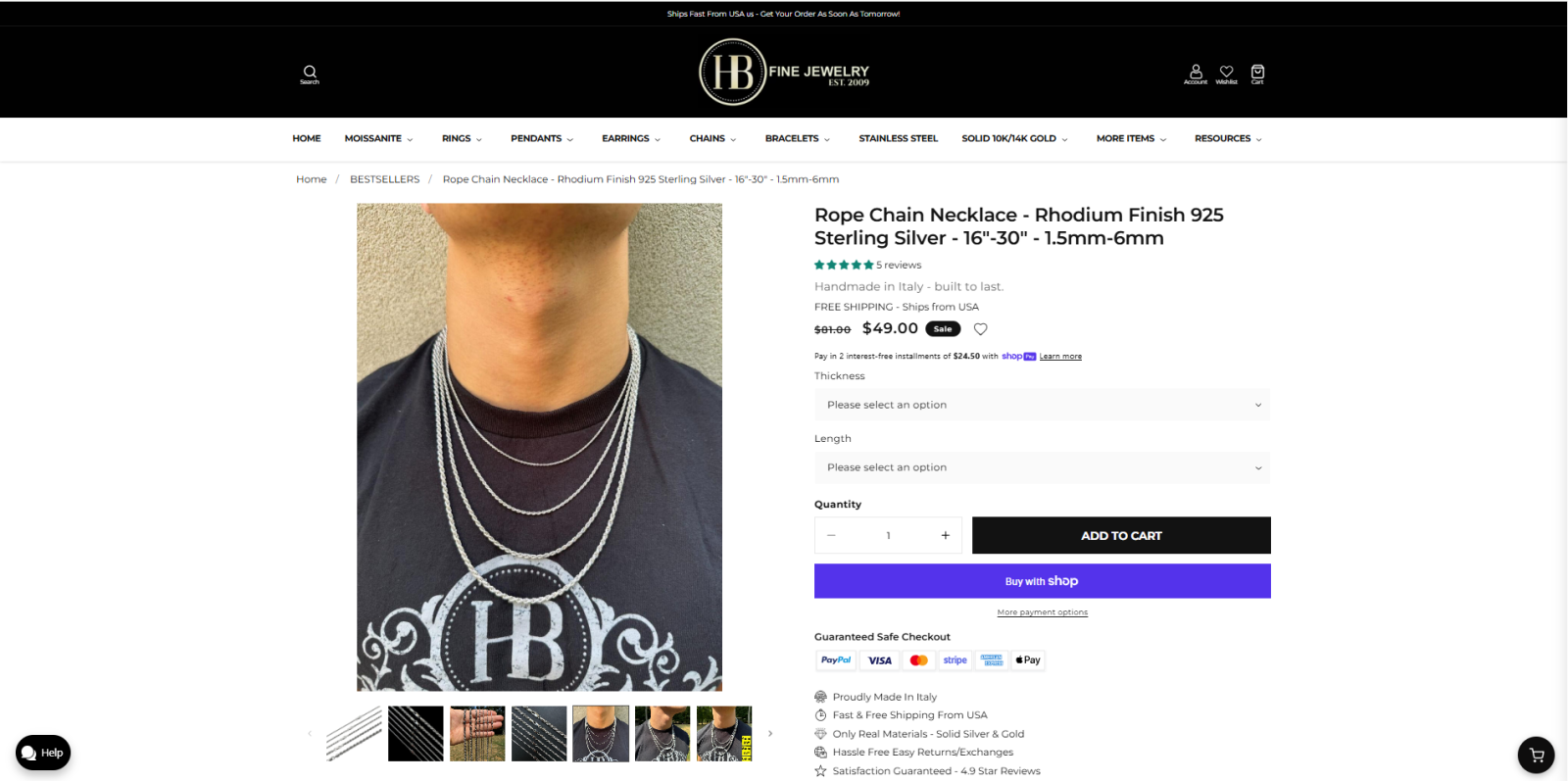
Use the Simple Harlembling Deal Path
Start with the main store or Closeout Deals collection, pick the exact item and variant, then apply ORION83 at checkout. Confirm the order discount appears before payment because prices, exclusions, and code rules can change.
Shipping, Returns, Exchanges & Trust Signals
Harlembling’s site shows several operational trust signals that matter for jewelry buyers: fast shipping from the USA, free shipping over $50 on product shipping details, easy returns/exchanges language, satisfaction guarantee messaging, and an authenticity guarantee for real silver, gold, and moissanite descriptions.
The refund policy is also important: it states a 30-day return policy for eligible items, with items required to be unworn or unused, with tags, in original packaging, and with proof of purchase. It also says damaged, defective, or wrong items should be reported immediately so the issue can be evaluated.
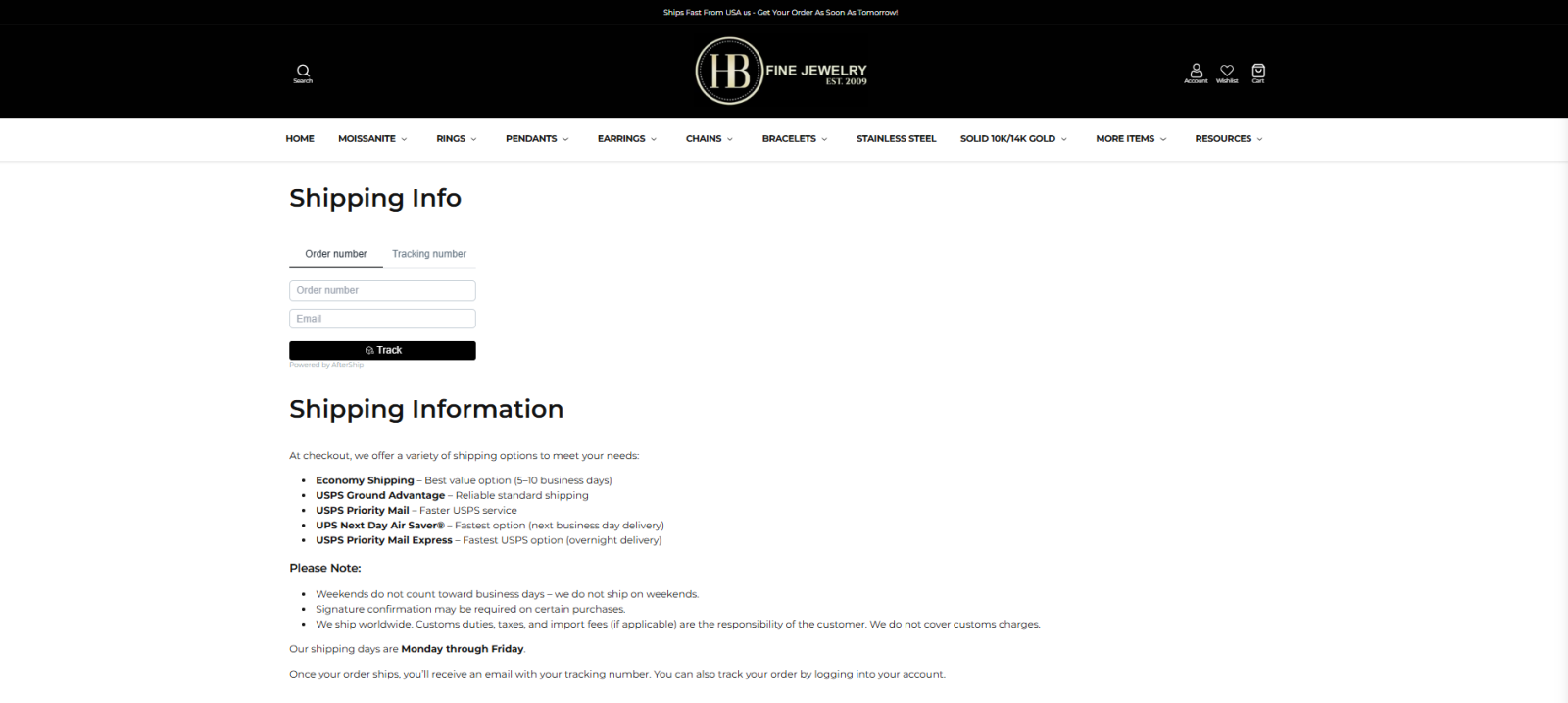
Trust Signals Beyond the Jewelry Itself
Product pages build desire, but trust is often built elsewhere. Harlembling highlights messages such as ships fast from USA, rated 4.9 stars on Trustpilot, 100,000+ reviews since 2009, and only real silver and gold jewelry with authenticity guarantee language. The site also includes support-style paths such as Contact, Tracking, Returns/Exchanges, FAQs, About, and regional currency selection.
None of these details prove every buyer will have a perfect experience. That is not how reality works, sadly. But together, they make the store feel more established than a thin one-page dropship-style storefront.
.png)
Harlembling Pros & Cons
BUY IF:
- ✓ You want bold, visible jewelry with high shine and strong outfit presence.
- ✓ You like moissanite, iced-out pendants, Cuban chains, tennis chains, rings, earrings, and statement pieces.
- ✓ You want to use verified code ORION83 for 5% off eligible orders.
- ✓ You care about USA shipping signals and free shipping over $50.
- ✓ You want products with visible material descriptions such as 925 silver, gold vermeil, solid gold, or moissanite.
- ✓ You are willing to compare Closeout Deals and product variants carefully before checkout.
DON’T BUY IF:
- ! You want traditional luxury-house prestige or jewelry bought mainly as long-term investment value.
- ! You dislike bold hip-hop, iced-out, or high-shine styling.
- ! You expect every sale-labeled product to have a visible crossed-out price. Some pages do not show clean markdown proof.
- ! You are buying custom or final-sale-style items without checking return eligibility first.
- ! You want to rely only on headline discounts instead of verifying the final cart and checkout price.
Is Harlembling Worth It?
The wrong question is whether Harlembling belongs in the same conversation as legacy fine-jewelry houses. The better question is whether it gives buyers a convincing version of luxury-inspired styling, strong shine, and visible value without pushing them into luxury-level pricing.
Viewed that way, Harlembling makes sense. It is strongest for buyers who care about appearance, reflection, outfit impact, moissanite shine, and accessible statement pieces. It is weaker for buyers who care mainly about heritage prestige, minimalist design, or investment-grade jewelry logic.
Best move: use Harlembling as a visual-impact jewelry store, not as a traditional luxury substitute. Browse Closeout Deals, compare variants, copy ORION83, and verify the final discount before checkout. Tiny ritual, big difference. Humanity may yet learn.
Harlembling Jewelry FAQ
Straight answers for buyers considering their first Harlembling order.